How to Declutter Your Home Fast — A Room-by-Room Plan for Beginners
A beginner-friendly, room-by-room plan to declutter your home fast — where to start, what to get rid of, simple decision rules, and how to keep clutter from coming back.

This post may contain affiliate links. If you buy through them we may earn a small commission at no extra cost to you. Learn more.
In this post
- Before You Start: Set Yourself Up to Finish
- Where to Start Decluttering
- Simple Decision Rules
- Room-by-Room Declutter Checklist
- How to Declutter Fast When You're Short on Time
- Getting Rid of Things Responsibly
- How to Keep Clutter From Coming Back
- A 7-Day Beginner Declutter Plan
- Frequently Asked Questions
- The Bottom Line
Decluttering sounds simple — just get rid of stuff — until you're standing in a room full of things, each with a small story attached. That's where most people stall. The good news is that decluttering fast isn't about being ruthless; it's about having a clear order, simple decision rules, and a way to get items out of the house quickly.
This beginner's plan covers exactly that: where to start, a room-by-room checklist, the questions that make decisions easier, and the habits that stop clutter from creeping back.
Before You Start: Set Yourself Up to Finish
Get four boxes or bags
Label them Keep, Donate/Sell, Recycle/Trash, and Relocate (items that belong in another room). Having these ready keeps you from wandering off mid-session to put one thing away — a classic way to lose momentum.
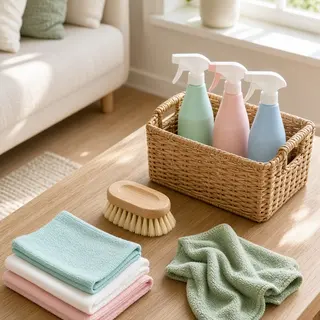
Reusable, and they double as storage once you're done
Check price on AmazonChoose a time limit, not a finish line
Set a timer for 15–30 minutes. Short sessions keep decision fatigue down, and you can always do another round if you feel good.
Know where things will go
Look up local donation drop-off points, charity shops, textile recycling, and electronics recycling in advance. Plan a "drop-off day" each week so donations don't sit in your car or hallway for months.
Where to Start Decluttering
Start where decisions are easiest and results are visible:
- Bathroom — lots of expired products, few emotional attachments.
- Kitchen — duplicates and unused gadgets are easy to spot.
- Entryway — small area, big daily impact.
- Bedroom closet — larger, but rules are straightforward.
- Living room — shared space; involve the household.
- Storage areas, garage, paperwork — bigger jobs, best once you've built momentum.
- Sentimental items — always last, when your "decision muscle" is strongest.
Leaving sentimental items for the end is one of the most common pieces of decluttering advice, and for good reason: practising on low-stakes items first makes harder decisions feel easier later.
Simple Decision Rules
When you pick something up and hesitate, run through these questions:
- Have I used this in the last year? If not, would I truly miss it?
- Do I have a duplicate that does the same job?
- If it broke today, would I buy it again?
- Am I keeping it out of guilt (it was a gift, or it was expensive)? The money is already spent — keeping an item you don't use doesn't get it back.
- Does it fit the space I have? Your home's size is a natural limit.
For items you genuinely can't decide on, use a "maybe box." Seal it, write the date on it, and store it out of sight. If you haven't needed anything from it after a few months, donate it without reopening it.
Room-by-Room Declutter Checklist
Bathroom
- Expired or old cosmetics, sunscreens, and skincare
- Expired medicines — check local guidance on safe disposal (many pharmacies offer take-back options) rather than throwing them in the trash
- Near-empty bottles and samples you'll never use
- Old towels (animal shelters sometimes accept these — check first)
- Hair tools you no longer use
Kitchen
- Duplicate utensils, mugs, and water bottles
- Containers without lids (and lids without containers)
- Single-use gadgets you haven't touched in a year
- Expired pantry food and spices
- Chipped dishes and warped pans
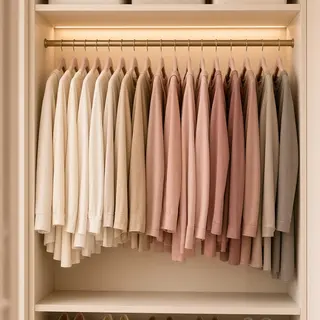
Once decluttered, group what's left so it stays visible
Check price on AmazonEntryway
- Shoes that don't fit or aren't worn
- Extra bags and tote bags (keep a few, recycle the rest)
- Old receipts, flyers, and keys you can't identify
Bedroom and Closet
- Clothes that don't fit or that you haven't worn in a year
- Damaged items you've been meaning to repair for ages
- Old bedding and mismatched sheets
- Nightstand clutter: old chargers, papers, empty packaging
Quick trick: turn all your hangers backwards. When you wear something, hang it back the normal way. After a few months, the backwards hangers show you what you never wear.
Living Room
- Old magazines, catalogs, and newspapers
- Cables and remotes for devices you no longer own
- DVDs, games, and books you won't revisit
- Decorative items you no longer love
Kids' Rooms and Toys
- Broken toys and games with missing pieces
- Toys that are now too young for your children
- Duplicate art supplies and dried-out markers
Involve children where possible. Letting them choose a few favorites to keep teaches the habit and avoids upset.
Paperwork
- Sort into action, file, and shred/recycle
- Shred anything with personal information before disposal
- Check official guidance in your country on how long to keep tax, financial, and legal documents before discarding them
- Scan documents you want to keep but don't need on paper
Garage and Storage
- Old paint and chemicals — follow local hazardous waste rules; don't pour them down drains
- Sports equipment no one uses
- Boxes you've moved house with but never opened
How to Declutter Fast When You're Short on Time
- The 10-item challenge. Find 10 things to remove in 10 minutes. Repeat daily.
- One bag a day. Fill one small bag with donations or rubbish every day for a week.
- Clear one surface. Pick a single counter or table and get it fully clear today.
- The 30-day "minimalism game." Remove one item on day one, two on day two, and so on. It's a popular challenge popularized by The Minimalists — and you can stop or scale down at any point.
Getting Rid of Things Responsibly
Decluttering doesn't have to mean everything ends up in landfill:
- Donate usable clothes, books, homeware, and toys to local charities or community groups.
- Sell higher-value items on local marketplaces. Set a deadline — if it hasn't sold in two weeks, donate it.
- Give away items to friends, neighbors, or local "buy nothing" groups.
- Recycle electronics, batteries, and textiles at proper collection points.
How to Keep Clutter From Coming Back
Decluttering once is a project; staying clutter-free is a habit.
- Give everything a home. If an item has no designated spot, it'll end up on the nearest flat surface.
- Use the one-in, one-out rule. New shoes in, old pair out.
- Pause before buying. Waiting a day or two before non-essential purchases helps you skip the impulse buys.
- Keep a donation bag permanently in a closet. Drop things in as soon as you notice you don't need them.
- Do a 10-minute reset each evening.
- Schedule seasonal check-ins — a quick sweep of closets and storage a few times a year.
A permanent "outbox" makes donating effortless
Check price on AmazonA 7-Day Beginner Declutter Plan
| Day | Area | Goal |
|---|---|---|
| 1 | Bathroom | Remove expired products |
| 2 | Kitchen drawers | Clear duplicates and broken utensils |
| 3 | Entryway | Shoes, bags, and paper clutter |
| 4 | Closet | Clothes that don't fit or aren't worn |
| 5 | Living room | Surfaces, media, and cables |
| 6 | Paperwork | Sort into action, file, shred |
| 7 | Drop-off day | Donate, recycle, and celebrate |
Frequently Asked Questions
What is the fastest way to declutter a house?
Work in short timed sessions, start with easy rooms such as the bathroom, use four labelled boxes, and remove donations from your home within the week.
Where should I start decluttering when overwhelmed?
Pick one small, visible spot — a single drawer, counter, or shelf. Finishing something small builds the momentum you need for bigger areas.
What should I get rid of first when decluttering?
Obvious rubbish, expired items, broken things, and duplicates. These require almost no decision-making and clear space quickly.
How do I declutter sentimental items?
Leave them until last. Keep the best few pieces, take photos of others, and consider whether someone in the family would treasure an item more than it's valued in a box.
How long does it take to declutter a whole house?
It depends entirely on the size of the home and how much is in it. Many people work through a house over several weeks of short sessions rather than in one go.
The Bottom Line
Decluttering fast is about momentum: easy rooms first, simple decision rules, short sessions, and getting items out of the house quickly. Start with a single drawer today. You'll be surprised how much lighter your home — and your head — feels after the first week.
Save this plan to your Decluttering board and work through it one day at a time.
Pin it for later
Save one of these to your Pinterest board so you can find it again.